
EDITORIAL
“Relic”
SPRING 2026
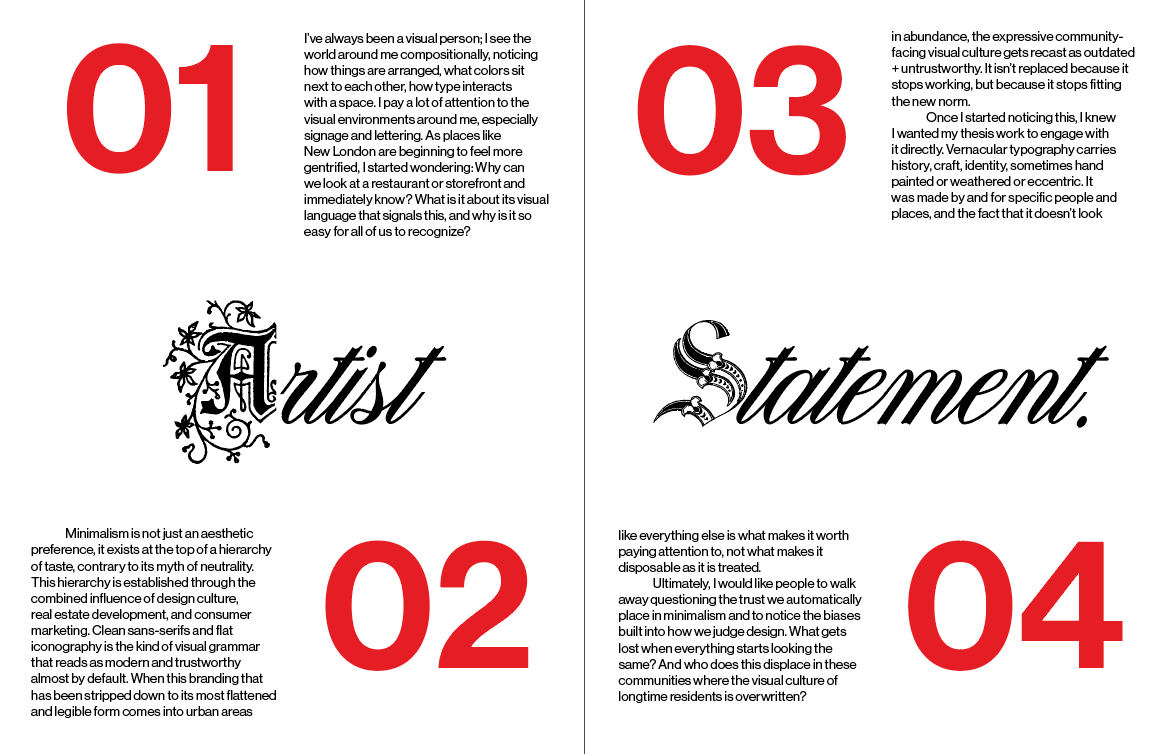
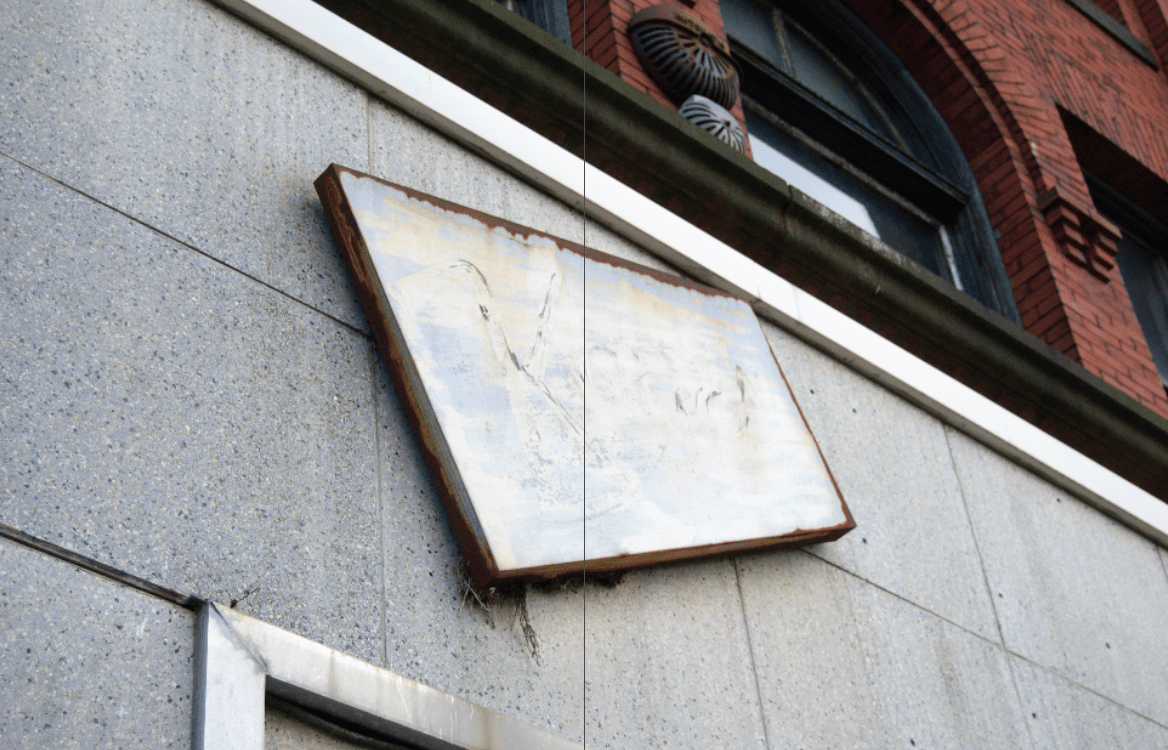
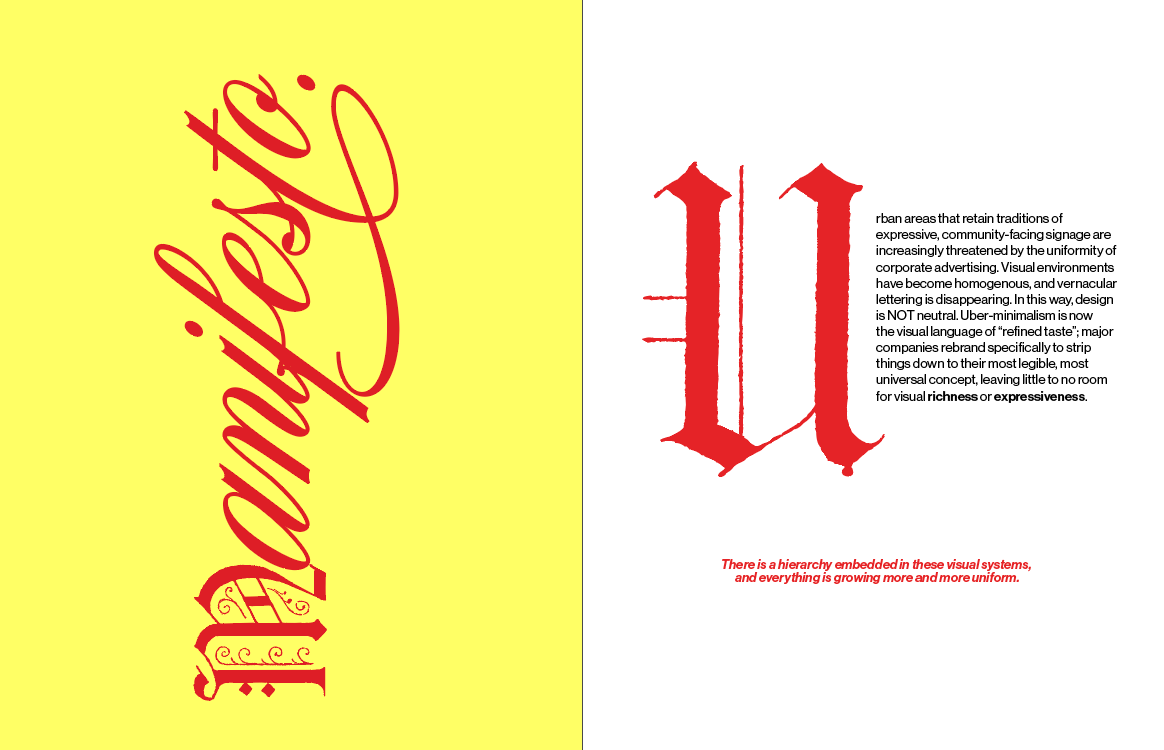
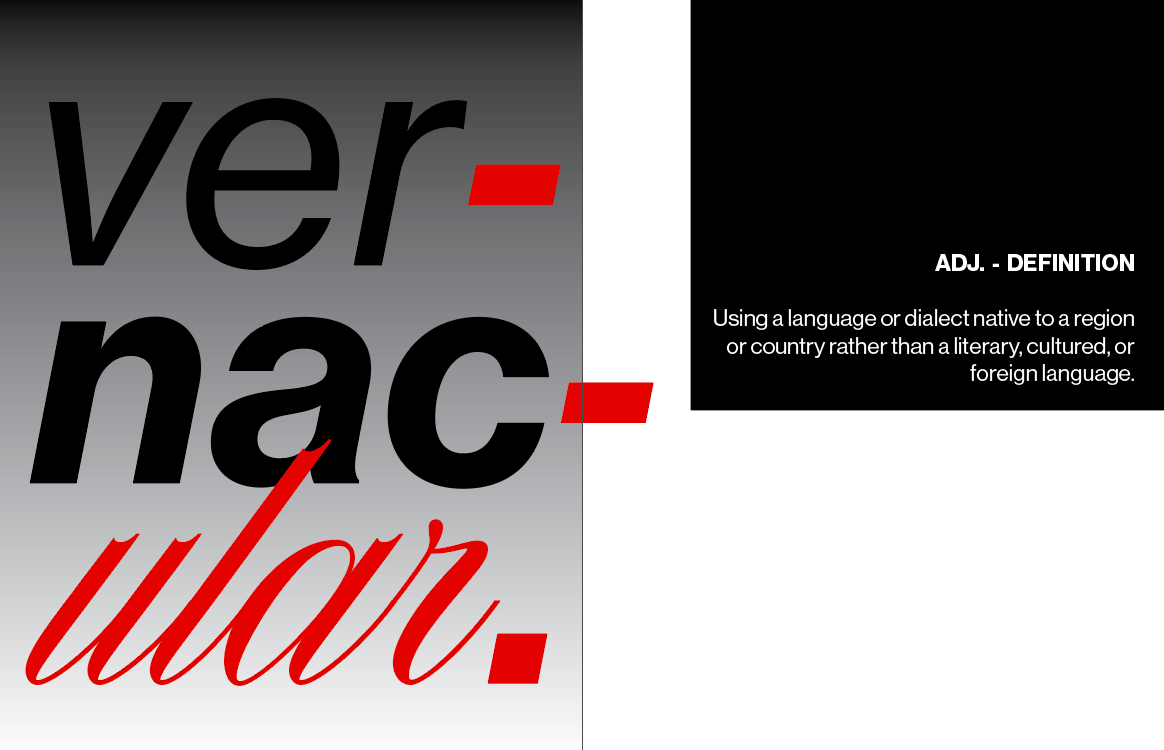
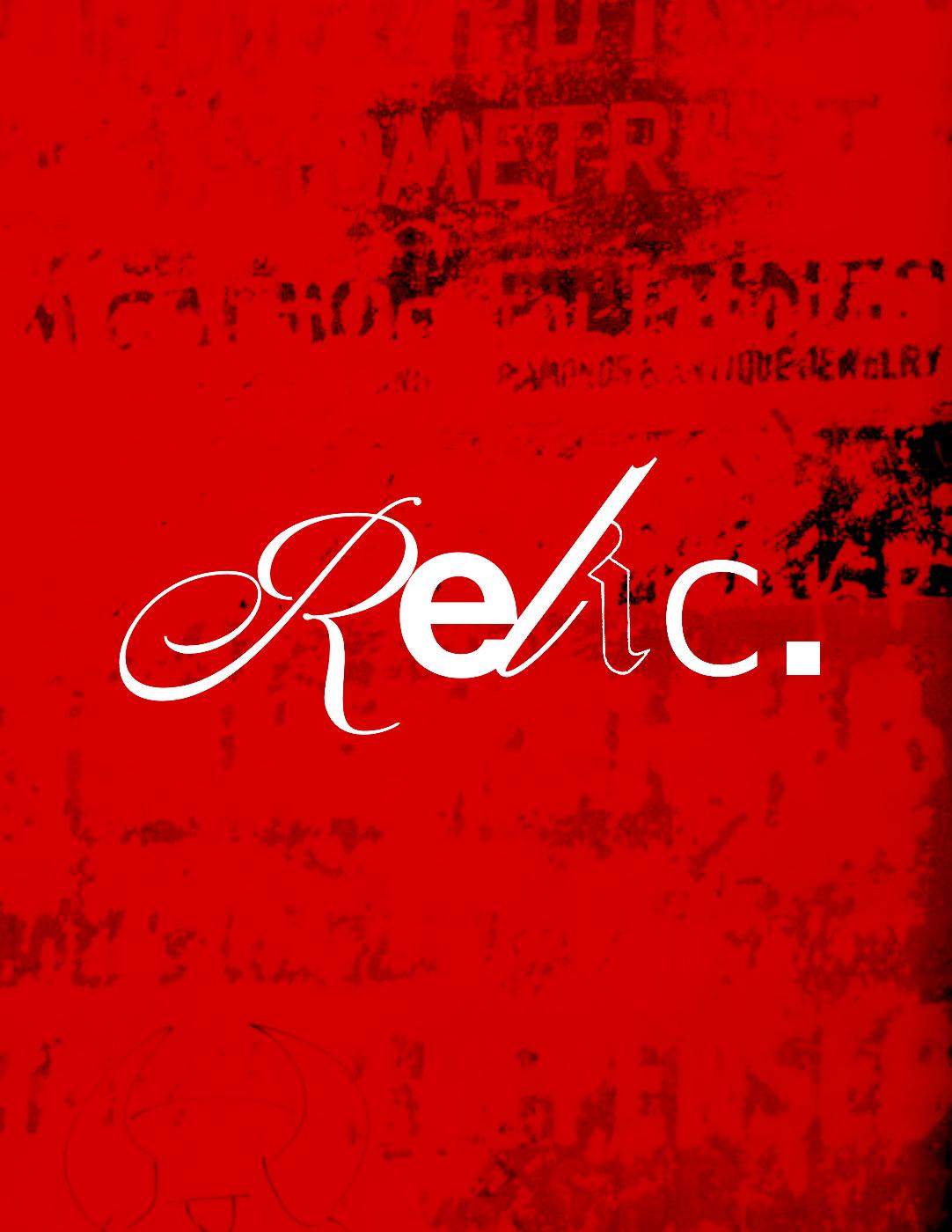
A book and gallery installation examining vernacular typography — the expressive, handmade lettering found in the built environments of working-class and urban neighborhoods. As corporate rebranding increasingly flattens visual culture toward uber-minimalist "refined taste," the lettering that makes communities visually distinct is quietly disappearing. Relic treats what remains as worth preserving.
ARCHIVED SPREADS
PROCESS
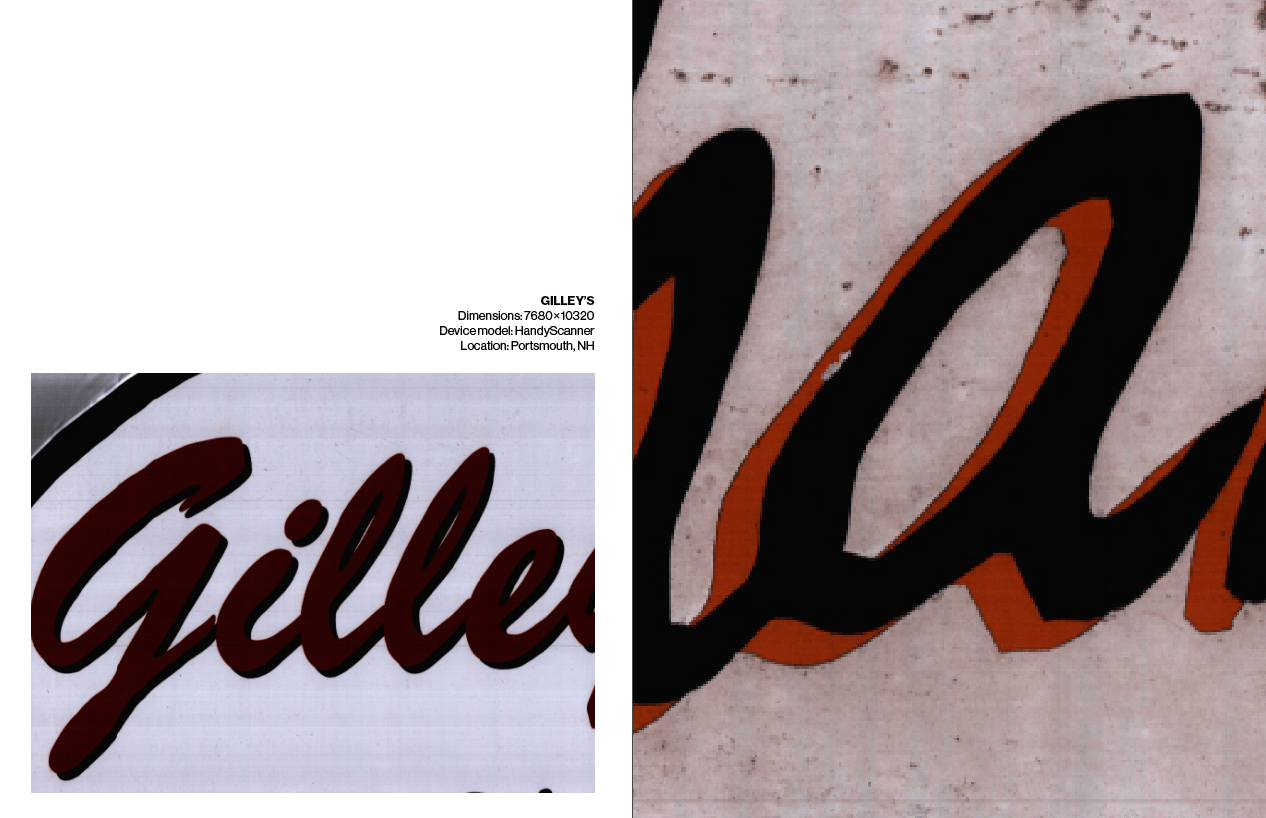
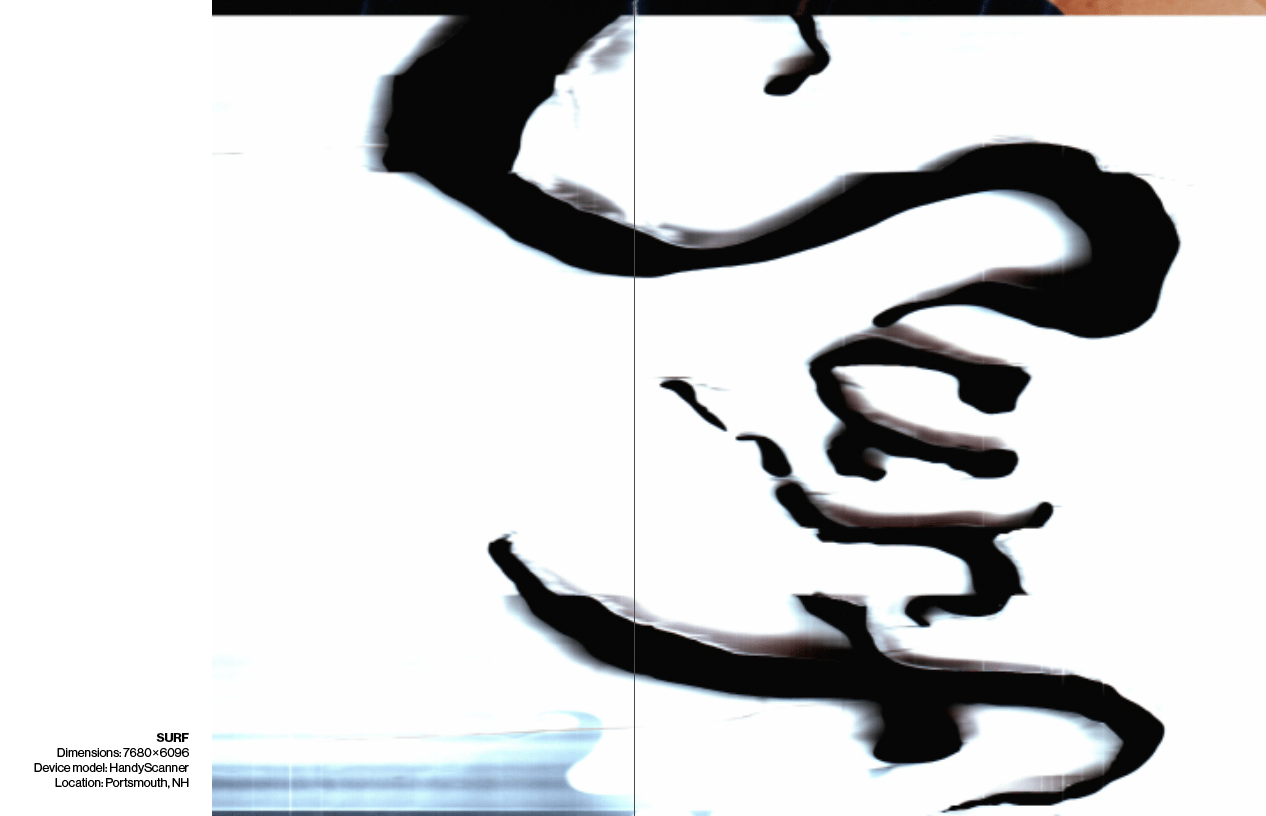
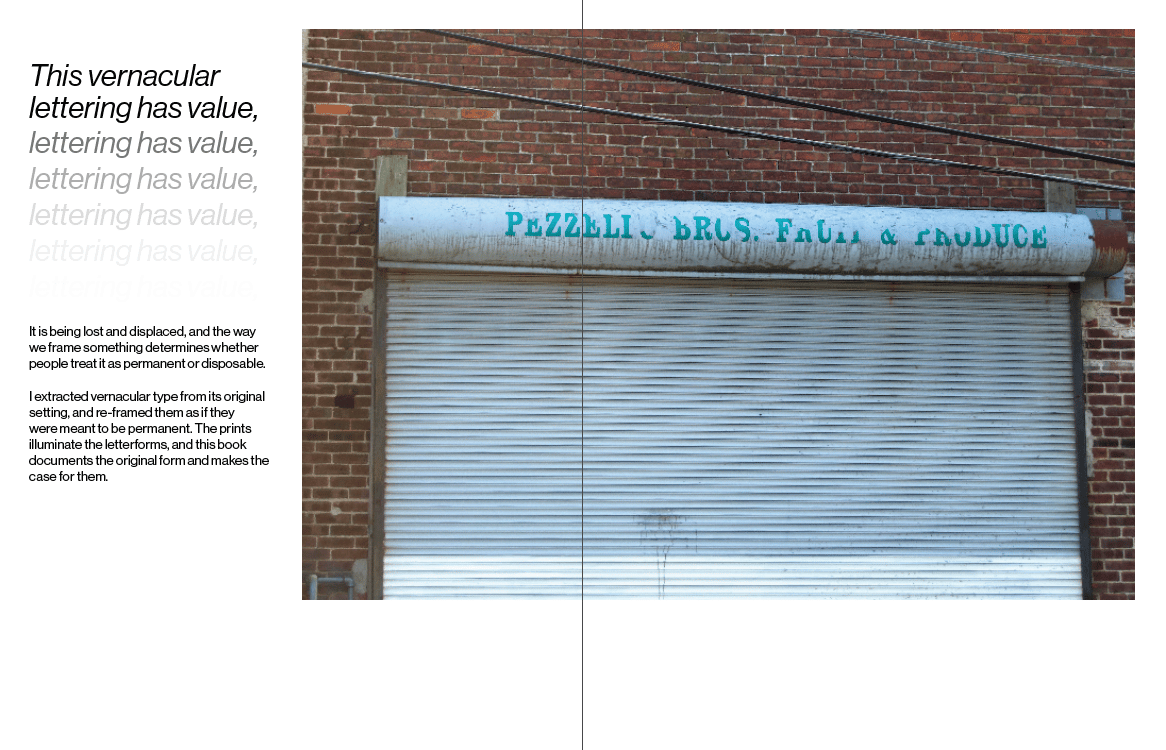
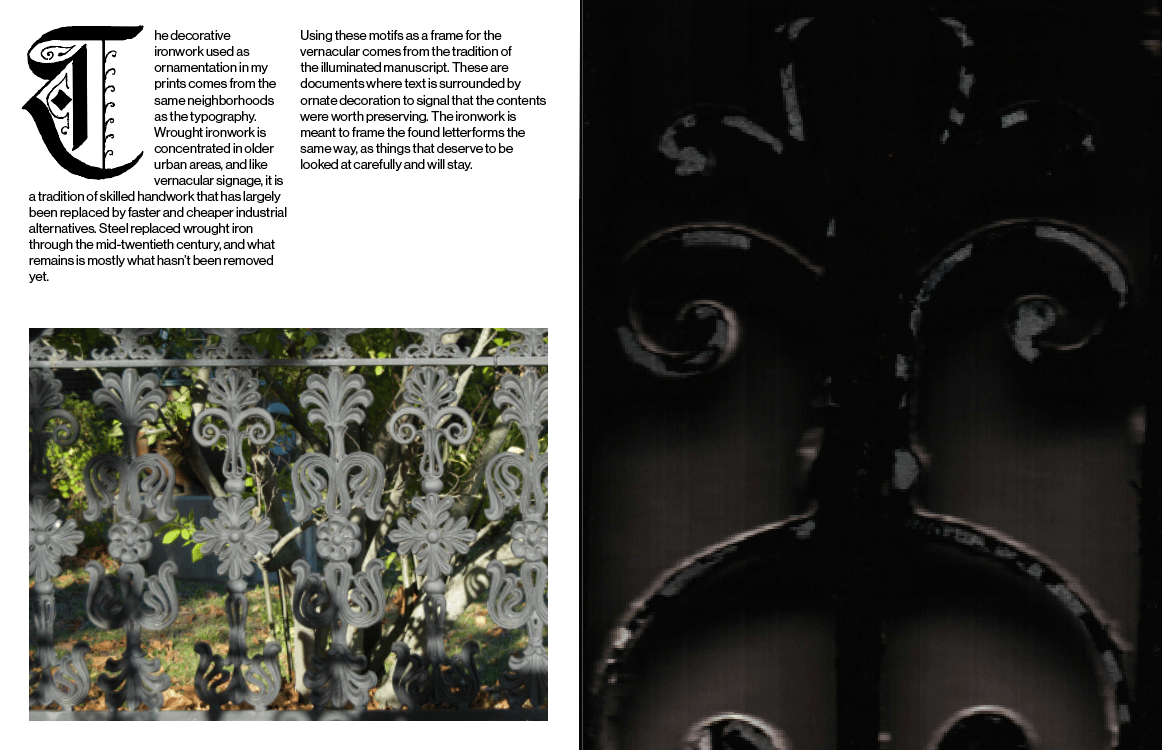
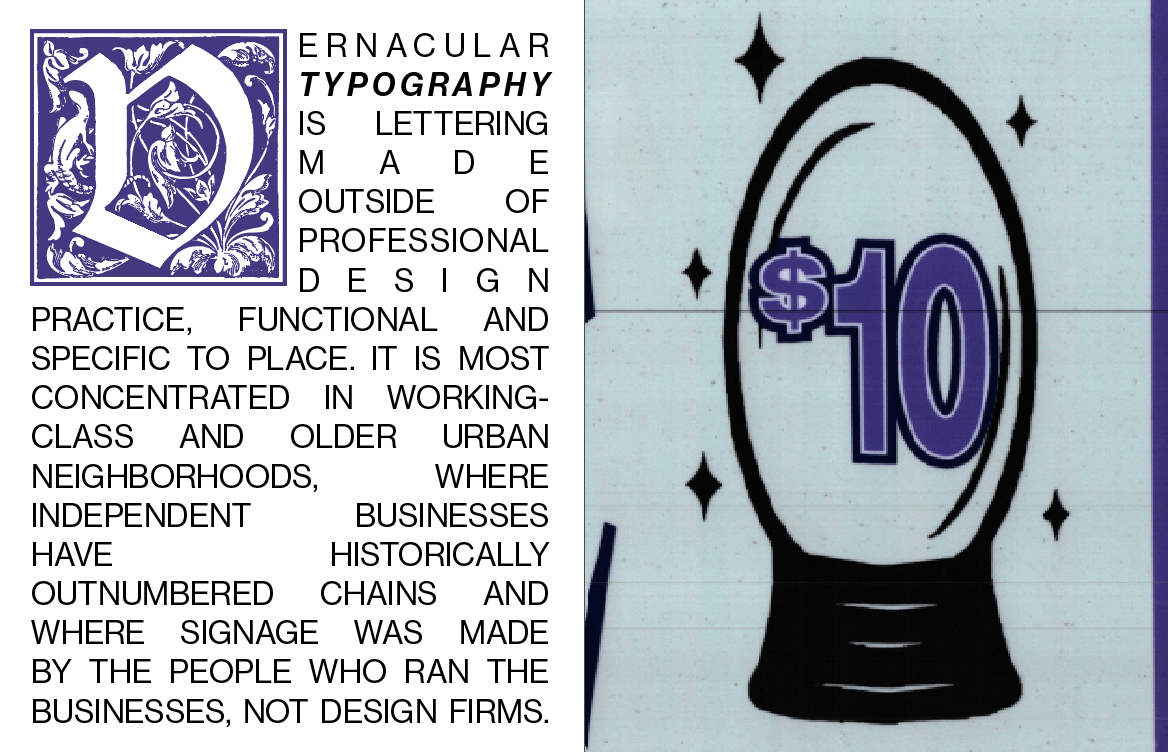
The project began with a portable scanner used to capture vernacular signage across New Hampshire: letters pulled from storefronts, murals, and facades, at high resolution. The resulting scans were laid out in a book that functions as both archive and manifesto, pairing the found letterforms with text arguing for visual richness and expressiveness in the face of homogenization. The large-format prints, exhibited in a gallery installation, transform the scans into designed objects. The shapes of these prints echo the forms of the lettering itself, pushing the found material past documentation and into a designed object.
CLICK TO READ THE FULL BOOK
EDITORIAL
“Relic”
SPRING 2026
A book and gallery installation examining vernacular typography — the expressive, handmade lettering found in the built environments of working-class and urban neighborhoods. As corporate rebranding increasingly flattens visual culture toward uber-minimalist "refined taste," the lettering that makes communities visually distinct is quietly disappearing. Relic treats what remains as worth preserving.
CLICK TO READ THE FULL BOOK
PROCESS
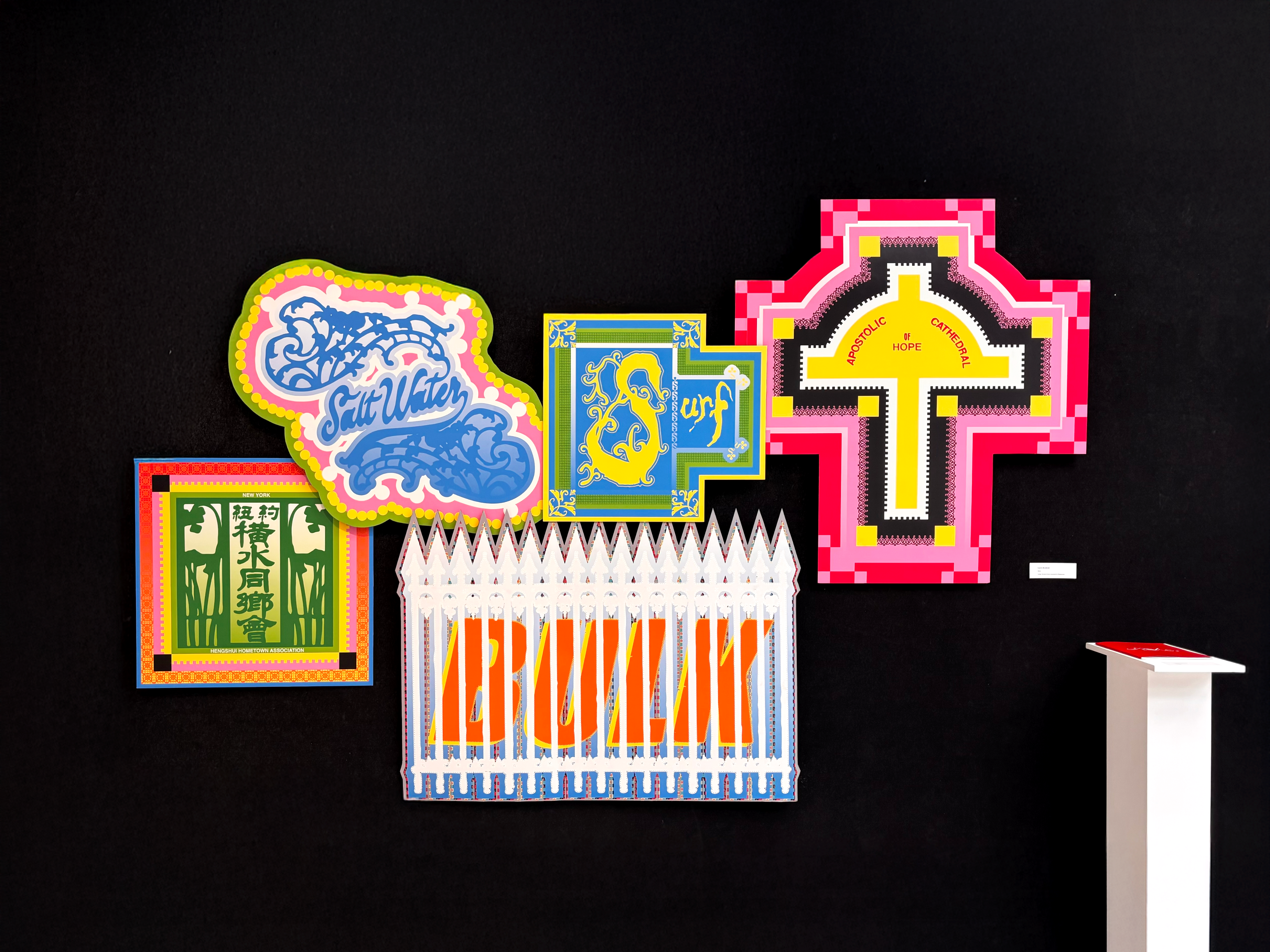
The project began with a portable scanner used to capture vernacular signage across New Hampshire: letters pulled from storefronts, murals, and facades, at high resolution. The resulting scans were laid out in a book that functions as both archive and manifesto, pairing the found letterforms with text arguing for visual richness and expressiveness in the face of homogenization. The large-format prints, exhibited in a gallery installation, transform the scans into designed objects. The shapes of these prints echo the forms of the lettering itself, pushing the found material past documentation and into a designed object.